Contact us
Send Us Your Case Details
We’ll respond and let you know the best way to proceed with your case.

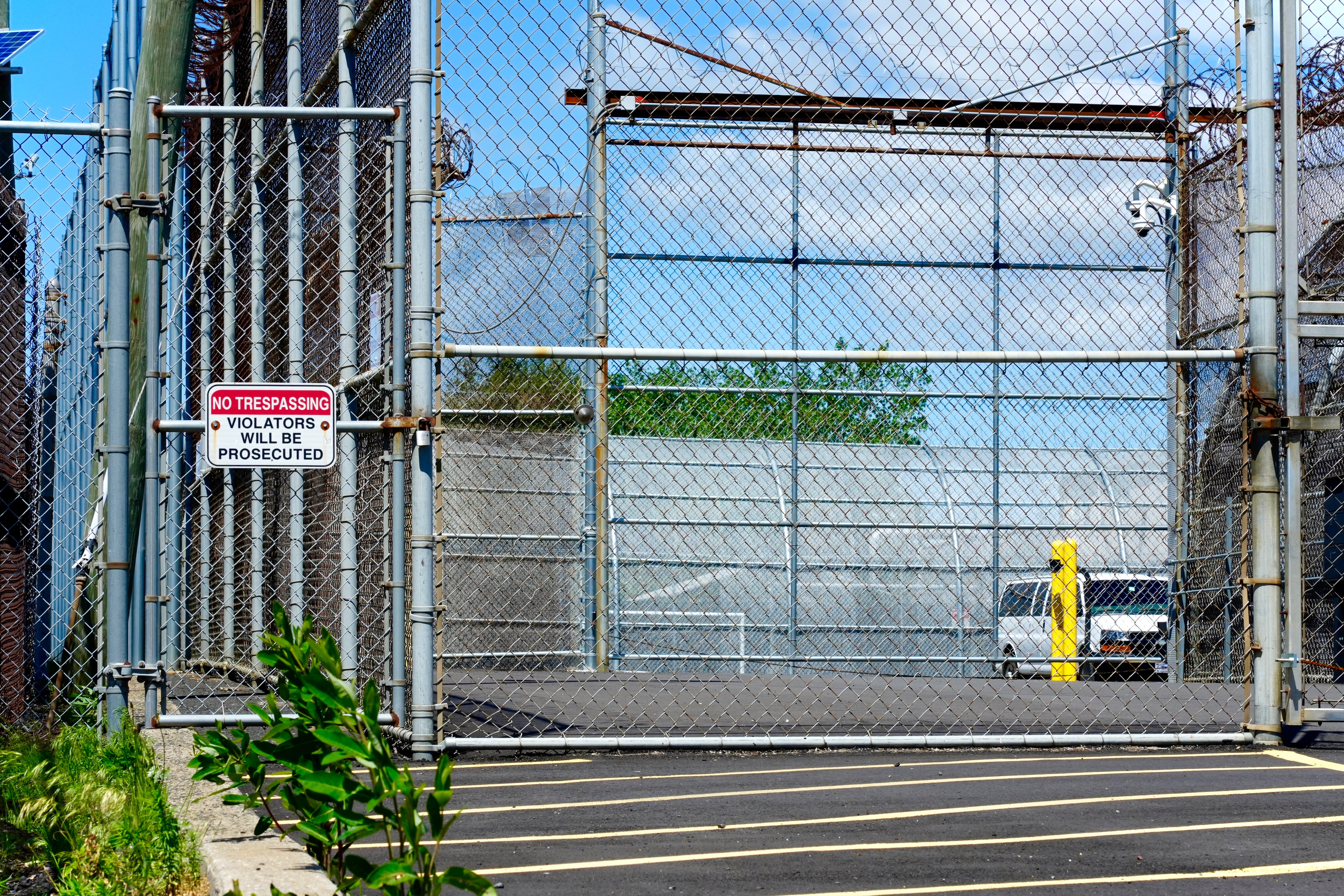
If someone you love has been detained by ICE, you are likely searching for answers right now while feeling scared and uncertain about what happens next. The most important thing to understand immediately is this: ICE detention does not automatically mean deportation is imminent. Removal proceedings involve a legal process with hearings, rights, and opportunities to fight back, and early legal intervention can make a significant difference in the outcome.
Zenith Law Firm represents individuals and families navigating ICE detention and removal proceedings in Maryland and throughout the DC metro area. Call us at (202) 679-8679 for a free, confidential consultation today.
There is no single fixed answer to how long ICE can detain someone before removal proceedings begin. The timeline depends on the individual’s immigration history, criminal record, how they came to ICE’s attention, and where they are being held.
Some individuals are processed and issued a Notice to Appear within days. Others may remain in detention for weeks or months while their case is being assessed or while they await a hearing date in immigration court. Facility capacity, the complexity of the case, and whether an attorney is involved all affect how quickly things move.
There is an important distinction between the initial administrative detention period and the formal start of removal proceedings. During the processing phase, ICE is gathering information, conducting background checks, and determining how to proceed. Formal removal proceedings begin when a Notice to Appear is issued and filed with the immigration court. These are not the same thing, and the time between detention and the filing of an NTA can vary considerably.
Individuals with prior removal orders, certain criminal convictions, or who are deemed flight risks or public safety concerns may be subject to mandatory detention, meaning they cannot be released on bond while their case proceeds. In those situations, detention can continue throughout the entirety of the removal proceedings, which can take months to years depending on court backlogs and the complexity of the case.
After arrest, the detained person is taken to an ICE facility or a contracted detention center for processing. During intake, ICE will verify identity, review immigration and criminal history, and make initial custody determinations. This is also when ICE decides whether to set a bond, hold the person without bond, or initiate expedited removal in certain cases.
One of the most distressing realities of ICE detention is that individuals can be transferred between facilities, sometimes far from home. Transfers can make it harder for families to locate their loved one and for attorneys to communicate with their clients. Acting quickly to locate the detained person and establish legal representation helps prevent transfers from disrupting the case.
The Notice to Appear is the formal document that initiates removal proceedings in immigration court. It outlines the government’s allegations about the person’s immigration status and why they are subject to removal. Receiving an NTA does not mean removal is automatic. It means the case will be decided by an immigration judge, and the detained person has the right to present a defense.
Removal proceedings officially begin when the NTA is filed with the immigration court. From that point, the court schedules a series of hearings. The first hearing is typically a master calendar hearing, which is a shorter procedural appearance where the judge addresses scheduling, confirms the charges, and determines how the case will proceed.
At the initial master calendar hearing, the respondent, the person facing removal, will be asked to admit or deny the allegations in the NTA and to state whether they are seeking any form of relief from removal. This is a critical moment. The positions taken at this hearing shape the entire trajectory of the case, which is why having an immigration defense lawyer present from the very first appearance matters enormously.
Expedited removal is a streamlined process that can result in deportation without a full immigration court hearing in certain limited circumstances, typically involving people apprehended near the border or those who have been in the country for a very short time. Cases involving individuals with prior removal orders may also move faster. For most people detained in the interior of the country with established ties to their community, the full immigration court process applies, which takes considerably longer.
Many individuals in ICE detention are eligible to request a bond hearing before an immigration judge. At a bond hearing, the judge evaluates whether the person is a flight risk or a danger to the community and sets a bond amount if release is appropriate. Bond can make it possible for someone to live at home while their removal case proceeds through immigration court, which can take months or years.
Certain categories of individuals are subject to mandatory detention and are not eligible for bond regardless of their ties to the community. These include people with certain criminal convictions, those who have prior removal orders, and those who entered without inspection in specific circumstances. An ICE detention attorney can evaluate whether mandatory detention applies and whether any exceptions or challenges are available.
Judges consider factors including length of residence in the United States, family ties, employment history, prior immigration violations, and criminal history. Strong community ties, a stable address, and demonstrated compliance with prior legal obligations all support a lower bond amount. An attorney can present this evidence effectively and argue for the most favorable bond conditions possible.
Every person in ICE detention, regardless of immigration status, has the right to a hearing before an immigration judge unless they are subject to specific expedited removal procedures. The right to be heard is fundamental, and it is the foundation of any defense against removal.
Detained individuals have the right to contact and be represented by an attorney, though unlike in criminal cases, the government is not required to provide one. This means families must act quickly to find and retain legal counsel. The earlier an attorney is involved, the more options remain available.
Detained individuals are not required to answer questions about their immigration history or provide information that could be used against them. Saying too much to ICE officers without legal guidance can inadvertently harm the case. An attorney can advise on what to say and what to decline to answer.
Detained individuals have the right to receive medical care for serious health conditions. If a detained person is not receiving adequate care, that concern can and should be communicated to their attorney immediately.
Every hour counts, and the steps you take immediately can protect your loved one’s rights and preserve options that might otherwise be lost.
Locate your loved one first. Use the ICE detainee locator at ICE.gov to find where they are being held. You will need their full legal name, date of birth, and country of birth. If they have an A-number, that will help as well.
Gather important documents immediately. Collect any immigration documents including visas, green cards, work permits, prior immigration filings, passport, and any correspondence from USCIS or immigration courts. These documents are essential for an attorney to assess the case quickly.
Do not delay in contacting an attorney. The difference between acting within the first 24 to 48 hours and waiting several days can be the difference between being able to request a bond hearing before a transfer occurs and missing that window entirely. Call Zenith Law Firm at (202) 679-8679 as soon as possible.
Avoid relying on unofficial advice. Well-meaning friends, community members, or online forums can provide inaccurate information that leads families to make costly mistakes. Only an immigration attorney familiar with your loved one’s specific circumstances can give you reliable guidance.
Do not make any payments to unofficial sources. Unfortunately, detained individuals and their families are sometimes targeted by fraudulent notarios or unauthorized practitioners who take money in exchange for services they cannot legally provide. Work only with a licensed attorney.
Requesting bond hearings: An attorney can file a bond motion quickly, prepare the supporting evidence, and argue effectively at the hearing for your loved one’s release.
Communicating with ICE and immigration courts: Attorneys have direct access to ICE officers, detention facility staff, and immigration court personnel in ways that families do not, and they can move faster and more effectively within those systems.
Building a deportation defense strategy: Depending on the person’s history and circumstances, defenses may include asylum applications, cancellation of removal, adjustment of status based on a green card petition, or other forms of relief. An attorney evaluates every possible avenue from the start.
Protecting family members from costly mistakes: Families sometimes take actions that inadvertently complicate the detained person’s case. Having an attorney coordinating the response protects everyone involved.
There is no fixed timeline. Some individuals receive a Notice to Appear within days of detention while others remain in custody for weeks before formal proceedings begin. The timeline depends on the individual’s case, facility, and immigration history.
The person is processed, their immigration and criminal history is reviewed, and ICE makes an initial custody determination. They may be held in an ICE facility or a contracted detention center, potentially transferred, and eventually issued a Notice to Appear initiating formal removal proceedings in immigration court.
Many people in ICE detention are eligible for a bond hearing before an immigration judge. Bond eligibility depends on immigration history, criminal record, and other factors. An attorney can request a bond hearing and present evidence supporting release. Some individuals are subject to mandatory detention and are not eligible for bond.
ICE detention is frightening, but it is not the end of the road. The legal process that follows involves hearings, rights, and real opportunities to fight for your loved one’s ability to remain in the United States. The key is acting quickly and getting experienced legal guidance involved as early as possible.
Attorney Okon Udondom of Zenith Law Firm navigated his own immigration journey before earning an advanced law degree from American University Washington College of Law. He brings both personal understanding and deep legal expertise to every immigration case he handles, and he is committed to giving families in Maryland and the DC metro area the compassionate, grounded representation they need in difficult moments like this one.
Contact Zenith Law Firm at (202) 679-8679 for a free, confidential consultation. You do not have to navigate this alone. Get the help you need today.
If you have been in the United States for more than a year and have not yet filed for asylum, you may be feeling a deep sense of fear that your window has closed. That fear is understandable. The one-year filing deadline is real, and missing it carries serious consequences. But missing the deadline does not automatically mean your case is over. In certain situations, exceptions exist that may allow you to file late, and understanding whether one of those exceptions applies to you is one of the most important steps you can take right now.
At Zenith Law Firm, we work with immigrants in Maryland and throughout the DC metro area who are navigating exactly this situation. We know how stressful and confusing this process can be, and we are here to give you honest, grounded guidance about what your options may be.
If you have missed the one-year deadline and are wondering whether you still have a path forward, call us at (202) 679-8679 to speak with an asylum attorney today.
Under U.S. immigration law, most people who want to apply for asylum must file Form I-589 within one year of their last arrival in the United States. This is not a soft guideline. It is a statutory deadline, and U.S. Citizenship and Immigration Services enforces it strictly.
The clock generally starts on the date you last entered the country. If you entered, left, and re-entered, your one-year period typically begins from your most recent entry date. If you entered with a visa and overstayed, the clock still begins from the date of that last entry, not from when your visa expired.
There are some nuances around when the clock starts and what counts as a qualifying arrival, which is one reason early consultation with an immigration attorney matters. Small factual differences in how and when you entered can affect how the deadline is calculated.
If you file your asylum application after the one-year deadline without a qualifying exception, USCIS will generally deny your application on timeliness grounds alone, regardless of the strength of your underlying asylum claim. That means even if you have a compelling and credible fear of persecution, you may be barred from receiving asylum simply because you filed too late.
This does not mean you have no legal options at all. People who are barred from asylum may still be eligible for other forms of protection, including withholding of removal or protection under the Convention Against Torture. These forms of relief have higher legal standards and provide more limited protections than asylum, and they do not lead to a green card or a path to citizenship the way asylum can. But they may still protect you from being returned to a country where you would face serious harm.
The better outcome is to determine whether an exception to the one-year deadline applies before assuming you are barred from asylum entirely.
U.S. immigration law recognizes two categories of exceptions to the one-year asylum filing deadline: changed circumstances and extraordinary circumstances. If you can demonstrate that your situation falls into one of these categories, you may be able to file a late asylum application.
A changed circumstances exception applies when something significant has changed, either in your personal situation or in the conditions in your home country, that materially affects your eligibility for asylum. The key is that the change must be connected to why you are now filing, not simply a general update to your situation.
Examples of changed circumstances that may support a late filing include:
If a changed circumstance applies to your case, you must file your asylum application within a reasonable period after the change occurred. The law does not define exactly what “reasonable” means, but waiting months or years after the change without explanation will weaken your case significantly.
An extraordinary circumstances exception applies when something exceptional in your own situation prevents you from filing on time. The circumstances must be serious enough to justify the delay, directly connected to why you did not file, and not caused by your own negligence or lack of effort.
Examples of extraordinary circumstances that may apply include:
As with changed circumstances, the timing of your filing after the extraordinary circumstance resolved matters. You should file as soon as reasonably possible once the barrier to filing no longer exists.
There is no fixed number of days or months written into the law that defines how quickly you must file after a changed or extraordinary circumstance. Courts and immigration judges evaluate this on a case-by-case basis, applying a reasonableness standard. However, one thing is consistently true: the longer you wait after the exception applies, the harder it becomes to explain that delay.
If you have recently experienced a change that may qualify as a changed circumstance, or if an extraordinary circumstance has now resolved, the time to consult an attorney is now. Every additional month that passes without filing can be used against you in an immigration proceeding.
Claiming an exception is not enough. You must be able to demonstrate it with credible, consistent, and well-documented evidence.
Depending on which exception applies to your situation, useful evidence may include:
Immigration adjudicators and judges scrutinize the internal consistency of late asylum claims carefully. If your explanation for the delay does not align with your documented history, or if dates in your declaration contradict your entry records or other filings, those inconsistencies can seriously damage your credibility. Working with an attorney to prepare a complete, accurate, and well-supported application from the start is essential.
You can also learn more about what makes asylum cases stronger in our guide to building a strong immigration asylum case.
If you are already in removal proceedings, you may still be able to raise asylum as a defense before an immigration judge, even if more than one year has passed since your arrival. This is sometimes called defensive asylum. You would present your case in immigration court rather than filing affirmatively with USCIS.
In removal proceedings, the immigration judge will evaluate whether a changed or extraordinary circumstances exception applies, just as USCIS would in an affirmative filing. The stakes in immigration court are extremely high, and the procedural requirements are complex. Having experienced legal representation at this stage is not optional in any practical sense. The consequences of an unfavorable outcome can include deportation with a formal removal order, which carries long-term bars to returning to the United States.
Asylum law is one of the most demanding areas of immigration law, and late asylum filings add an additional layer of complexity on top of an already difficult process. You are not only making your underlying case for protection but also asking an adjudicator to find that an exception applies, that your explanation for the delay is credible, and that you acted with reasonable promptness once the exception arose.
Each of those arguments requires legal knowledge, strategic preparation, and precise documentation. A mistake in how the exception is framed, how the timeline is presented, or how the evidence is organized can result in a denial that might have been avoided with proper legal guidance.
If you missed the one-year asylum deadline, do not assume your case is finished before speaking with an attorney who can evaluate your specific circumstances. Many people who feel certain the deadline bars them from relief have circumstances that qualify for an exception. Others may have options they are not aware of. The only way to know for certain is to have your situation reviewed by someone who knows immigration law.
At Zenith Law Firm, we provide clear and compassionate legal guidance to immigrants in Maryland and the DC metro area who are facing difficult situations like this one. We will listen to your story, review your timeline, and give you an honest assessment of where you stand and what options may exist.
Immigration lawyer Okon Udondom created his own path to immigration and after his journey ended, he earned an advanced degree in law at American University Washington College of Law and now works to help others. He welcomes clients who have their own immigration objectives, especially business visas and appeals. Contact Zenith Law at (202) 679-8679 to schedule a free, confidential consultation with one of our Maryland asylum attorneys today.